Retaining walls in Feltham
If you are looking into retaining walls in Feltham, chances are you are dealing with a practical problem that needs a proper, lasting solution. Whether your garden is sloping, your driveway edge is starting to give way, or you need a stronger boundary for a commercial yard, a well-built retaining wall can make a huge difference. In a place like Feltham, where homes range from older terraces and semis to newer developments, and where outdoor spaces can vary from compact back gardens to larger plots near main roads and business areas, the right retaining structure needs to be both functional and suited to the property.
Retaining walls do more than hold soil in place. They can create level areas for patios, steps, planting beds, parking spaces, and safer access around the property. They also help manage changes in ground level, drainage pressure, and erosion. For many local customers, the goal is not just to make an outdoor area look tidier; it is to protect the property and improve how the space is used day to day. That is why choosing an experienced local team matters. A wall that is designed for Feltham’s property layouts, access conditions, and ground conditions is more likely to perform well over time.
From small domestic garden walls to larger engineered structures for driveways or commercial premises, our approach is built around practical results. We take time to understand what is happening on site, what the wall needs to support, and how the finished structure should fit with the rest of the property. If you are planning a new retaining wall or replacing an old one, request a free quote and discuss the options that suit your project.
Why retaining walls matter for Feltham properties

Feltham has a mix of residential streets, garden plots, shared access routes, and business properties that all come with their own groundworks challenges. In many homes, outdoor space is limited, so any change in level can make a garden feel awkward or difficult to use. A retaining wall can transform a sloping or uneven area into something more practical, helping you create terraces, flat seating areas, or a safer route between different parts of the garden.
For properties with driveways, retaining structures are often used to hold back earth at the side or rear of the parking area. This can prevent loose ground from spreading onto paved surfaces and can help define neat, strong edges. In commercial settings, retaining walls may be used around yards, loading areas, storage spaces, or access ramps where stability and durability matter. A carefully planned wall can support the site while also improving its appearance.
Another important factor is drainage. When water builds up behind a wall, pressure can increase quickly and cause movement, cracking, or failure if the structure was not designed correctly. This is especially important after periods of heavy rainfall, which can affect different parts of West London in different ways depending on the ground and site layout. A proper retaining wall installation takes drainage into account from the start, reducing the risk of future issues.
Retaining wall services available in Feltham

We provide a wide range of retaining wall services for homeowners, landlords, and commercial property owners across Feltham. Whether you need a small decorative wall or a more robust structure designed to support a substantial load, the build needs to suit the job. Different materials, heights, and foundations are used depending on the site conditions and the purpose of the wall.
Typical retaining wall work includes:
- Garden retaining walls for sloped plots and landscaped areas
- Driveway edge retaining walls to support changes in level and define parking spaces
- Boundary retaining walls where soil needs to be held back close to fences or borders
- Terraced garden structures to create level planting or seating areas
- Commercial retaining walls for yards, service areas, and access routes
- Replacement of failing walls that have cracked, tilted, or become unstable
- Repairs and rebuilding where partial rebuilding is needed instead of a full new structure
Depending on the location and the visual style you want, retaining walls can be built using brick, blockwork, concrete, stone-faced finishes, or other suitable materials. The main aim is always to make sure the wall is structurally sound, properly drained, and aligned with the rest of the property. If the wall is visible from the house or street, appearance matters too, which is why a neat finish is important as well as strength.
How we approach retaining wall construction

Every retaining wall project starts with a site assessment. This is where we look at the height of the slope, the type of soil, the amount of load the wall needs to support, and the available access for equipment and materials. In Feltham, access can be straightforward on some streets and more challenging on others, particularly where parking is limited, side access is narrow, or a rear garden can only be reached through the house. These details affect how the work is planned.
Once the site is understood, the next step is to decide on the right structure. A small garden wall may only need a modest foundation and a simple finish, while a taller or load-bearing wall may need stronger footing, reinforcement, and more detailed drainage. The wall must be designed to resist pressure from the soil behind it and to remain stable through changes in weather. This is why proper groundwork is so important. A neat-looking wall is only valuable if it performs well beneath the surface too.
Construction normally includes excavation, foundation preparation, wall building, drainage installation, backfilling, and finishing the visible face of the wall. Where necessary, we also coordinate steps, drainage channels, paving edges, or adjacent landscaping so the final result works as part of the whole outdoor space. A retaining wall should not look like a stand-alone fix; it should feel like a natural, well-planned part of the property.
What is included in the service
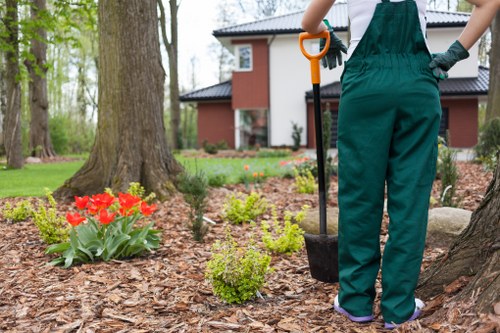
When people enquire about retaining walls in Feltham, they often want to know exactly what is included. A reliable local service is usually more than just building a wall. It should involve planning, preparation, construction, and a finish that leaves the area usable and tidy. Customers want clarity, and that is especially important when the wall is being built to solve a problem such as erosion, slippage, or an unsafe boundary.
Depending on the project, the service may include:
- Initial site discussion and practical recommendations
- Measurements and assessment of levels
- Removal of old or damaged walling if required
- Excavation and foundation preparation
- Wall construction using suitable materials
- Drainage provisions behind the wall
- Backfilling and compacting materials
- Finishing details such as coping, capping, or rendering where appropriate
- Clear tidying of the work area at the end of the job
Not every project needs every one of these steps, but a good contractor will explain what is necessary and why. If the wall is part of a larger project, for example a garden redesign or a new driveway layout, the service can also be coordinated with paving, steps, edging, or landscaping so the finished space works together properly.
Materials and design options
The choice of material is often influenced by function, appearance, and budget considerations. Brick retaining walls may suit homes where the wall needs to blend with existing brickwork. Block retaining walls are often used where strength and a clean finish are priorities. Stone or stone-faced finishes can create a more traditional or decorative look, while reinforced concrete options may be needed for heavier-duty work. The best option depends on the site, the ground, and how the wall will be used.
Common reasons local customers need a retaining wall

There are many reasons why a local property owner may need retaining wall work. Some are obvious, while others become clear only after a site visit. In Feltham, common situations include sloping gardens that are hard to maintain, boundary levels that have shifted over time, and older walls that have started to lean or crack. Once a wall begins to fail, it can become a safety issue as well as a visual problem.
Here are some of the most common customer needs:
- Creating level usable space in a sloping garden
- Preventing soil movement near fences, sheds, and outbuildings
- Supporting driveway edges where the ground level changes
- Improving drainage control around patios or landscaped areas
- Replacing damaged structures that are no longer stable
- Improving the appearance of a tired outdoor area
- Adding structure to a new garden design with steps and terraces
In some cases, the wall is needed because the property has become more exposed after nearby landscaping or garden changes. In others, the issue may be gradual wear and tear over many years. Whatever the cause, it is wise to act early rather than wait for the problem to worsen. Small movement can often be addressed more simply than a wall that has already failed.
Signs your wall may need attention
- Cracks appearing in the wall face or mortar joints
- The wall leaning forward or away from the slope
- Bulging sections or uneven movement
- Water pooling at the base after rain
- Loose bricks, blocks, or coping stones
- Soil washing out from behind or around the wall
Benefits of choosing a local Feltham retaining wall specialist
There are clear advantages to working with a local company that understands the area and the way properties are laid out. Feltham includes a mixture of residential roads, more open plots, and commercial premises, so site access, delivery logistics, and working space can vary a lot. A local team is more likely to be familiar with these practical issues and can plan accordingly.
One of the main benefits is local responsiveness. If the wall is urgent because it is leaning, cracking, or affecting drainage, having a nearby team can make the process smoother. Another benefit is practical knowledge of typical property styles and garden layouts in the area. That can help when advising on foundation depth, access arrangements, and the most suitable materials for the setting. It also helps when working around existing paving, sheds, planting, or boundary features that should be protected.
Choosing a local contractor can also make communication easier. You want someone who can explain the process clearly, answer questions about the build, and keep the project realistic from the start. A wall is a structural feature, so trust matters. Customers often appreciate straightforward advice about whether a wall needs repair, partial rebuilding, or complete replacement. If you are unsure what you need, it is sensible to book an assessment and talk through the options before committing.
Retaining walls for homes, landlords, and businesses
Retaining wall work is not just for private gardens. In Feltham, the service is often useful for landlords managing rental properties, homeowners improving outdoor space, and commercial customers maintaining accessible and orderly premises. Each type of customer has different priorities, but the core requirements remain the same: stability, practical use, and a tidy finish.
For homeowners, the main concern is often making the garden safer and more usable. That might mean preventing a bank from encroaching on a lawn, creating steps to a lower section, or stabilising a border near a patio. For landlords, the wall may need to be repaired quickly to keep a property presentable and reduce the risk of deterioration spreading. For businesses, durability and neat site presentation are usually key, especially in areas where vehicles, deliveries, or foot traffic are involved.
Because different customers need different outcomes, the service should be tailored rather than treated as a one-size-fits-all job. A wall that looks attractive in a back garden may need to be built differently from one supporting a yard, access ramp, or parking area. The right contractor will understand these differences and recommend a solution that fits the site and the way it is used.
Preparing for your retaining wall project
Good preparation helps the work move more smoothly and can reduce delays once the job starts. If you are planning retaining walls in Feltham, there are several practical things to consider before construction begins. Some of these are simple, but they can make a noticeable difference to how efficiently the project runs.
Useful preparation steps include:
- Clearing access routes where possible
- Moving garden furniture, ornaments, pots, or loose items away from the work area
- Checking whether vehicles need to be relocated for material delivery or plant access
- Identifying any buried services or known obstacles
- Thinking about how the wall will connect with paths, fences, patios, or steps
- Deciding whether you want the wall to be purely functional or also decorative
If access is tight, that does not necessarily prevent the work from going ahead. It simply means the plan needs to be adjusted to suit the property. In Feltham, this can be particularly relevant on streets with limited parking or in homes where the only route to the garden is through the house. Discussing these points early helps avoid surprises and allows the job to be organised properly.
What affects pricing for retaining wall work?
It is natural to want to understand what influences cost before requesting a quotation. Exact pricing depends on a number of site-specific factors rather than a single flat rate. These include the wall length and height, the type of materials chosen, the amount of excavation needed, access difficulty, drainage requirements, and whether the existing structure needs removal. A wall that needs extra reinforcement or a more involved foundation will usually cost more than a straightforward low wall.
Other factors that can affect the job include the condition of the ground, how much waste must be removed, whether nearby features need protection, and whether the retaining wall forms part of a larger landscaping project. For that reason, the best way to get a realistic figure is to arrange an assessment and request a detailed quote based on the site itself. That way, you can compare options properly and make an informed decision.
Areas covered around Feltham
Our retaining wall services are available across Feltham and the surrounding local area. This can include residential streets, mixed-use roads, and commercial premises where ground support or boundary structure work is needed. Nearby areas often share similar site conditions and access considerations, so local experience is valuable when planning the job.
Areas commonly covered may include:
- Feltham town centre and surrounding residential roads
- Bedfont
- Hanworth
- Hounslow borders
- Staines-side routes where properties require boundary or garden support
- Nearby West London locations with similar domestic or commercial site layouts
If you are not sure whether your property falls within the service area, it is usually worth asking. The most important thing is that the wall is planned by a team that understands the local conditions and can attend the site with the right approach. A nearby contractor is also often better placed to schedule visits and keep the project moving at a practical pace.
Frequently asked questions
Below are some common questions from customers who are considering a retaining wall project. If your situation is different, it is always sensible to request an individual assessment.
Do I need a retaining wall or just a decorative garden wall?
If the wall needs to hold back soil, deal with ground pressure, or support a change in level, it should be treated as a retaining wall rather than a purely decorative feature. The structure and foundation requirements are different, so it is important to choose the correct type from the start.
Can a retaining wall be built in a small garden?
Yes. Many Feltham gardens are compact, and retaining walls can actually help make the most of limited space. A carefully designed wall can create usable areas without making the garden feel cluttered. It may also help with steps, planting, or separating sections of the space.
How long does a retaining wall take to build?
The timeline depends on size, access, ground conditions, material choice, and whether an old wall needs to be removed first. Smaller domestic projects may be completed relatively quickly, while larger or more complex jobs take longer. The best way to understand the schedule is to discuss the site and project scope before work begins.
What happens if my existing wall is leaning?
A leaning wall can be a sign that the foundations are failing, drainage is poor, or pressure behind the wall is too high. It is best to have it assessed promptly. In some cases, repair may be possible, but if the structure has moved significantly, rebuilding may be the safer and more effective option.
Will the wall need drainage?
Most retaining walls benefit from some form of drainage behind them. Managing water pressure is one of the most important parts of building a long-lasting wall. The exact drainage method depends on the wall design, height, and site conditions.
Can the wall be made to match my existing property?
In many cases, yes. Materials and finishes can often be chosen to complement the home, garden, or boundary features. If the wall is visible from the street or forms part of the front of the property, appearance may be especially important.
Choosing the right team for your project
When you are investing in a retaining wall, you want the job done properly the first time. That means choosing a team that pays attention to the ground conditions, the purpose of the wall, and the details that affect long-term performance. A good contractor should be willing to explain what is needed, why it is needed, and what the practical options are for your site.
Look for a service that offers clear communication, realistic advice, and attention to both structure and finish. You should feel confident that the wall will be designed with proper support, drainage, and materials suited to the job. If the project includes surrounding paving, steps, or landscaping, it helps to work with a team that can coordinate the whole area rather than leaving the wall as an isolated feature.
Whether you need a new retaining wall, a wall repair, or replacement of a failing structure, the main priority is durability. A well-built wall should support the ground, improve the look of the property, and give you peace of mind that the problem is properly addressed. Book your service now if you are ready to move forward, or request a quote if you are still weighing up the best approach.
Practical value for local property owners
One of the reasons retaining wall work is so valuable in Feltham is that it solves multiple problems at once. It can improve safety, create more usable space, and protect the condition of nearby structures and surfaces. For a homeowner, that might mean a better garden for family use. For a landlord, it could mean a more presentable and manageable boundary. For a business, it might be about keeping ground levels stable and access areas neat.
The best retaining wall projects are the ones that feel invisible in the sense that they simply work. The wall does its job, the surrounding space becomes easier to use, and the property looks more organised. That is the kind of result customers usually want: a practical improvement that fits naturally with the site and does not create new issues later on.
If you have noticed signs of movement, soil pressure, or an awkward change in level on your property, it is worth getting professional advice. Early planning can save time and help you choose the right wall design before the issue becomes more serious. Contact us today to discuss your retaining wall requirements in Feltham and arrange a suitable next step.