Recycling and Sustainability for Landscaping Feltham
 At Landscaping Feltham, sustainability is built into the way every outdoor project is planned, carried out, and maintained. From garden clearances to planting schemes, the aim is to reduce waste, recover useful materials, and keep as much as possible in circulation rather than sending it to landfill. This approach supports a cleaner local environment while helping clients make practical, lower-impact choices for their outdoor spaces.
Our Feltham landscaping services are designed with a clear recycling-first mindset. That means separating green waste from general waste, identifying reusable hard landscaping materials, and choosing suppliers and disposal routes that support responsible recovery. We also work with a recycling percentage target of 90% for suitable project waste, aiming to divert soil, timber, metal, aggregates, and green cuttings from disposal wherever safe and feasible. For many projects, that target is matched by detailed sorting on site so that materials can be processed efficiently later.
In West London and the surrounding boroughs, waste separation plays an important role in local environmental management, so our landscaping recycling practices reflect that wider approach. We keep a careful eye on separating wood, plastics, metal fixtures, turf, and inert rubble, while also making sure that clean green waste can go to the right composting or recovery route. Small decisions at the start of a job often make the biggest difference later.
 A major part of landscaping in Feltham is dealing with organic waste in a way that supports circular use. Grass cuttings, hedge trimmings, branches, and leaves are sorted so they can be processed as green waste rather than mixed into general rubbish. Where possible, topsoil is screened and reused, and usable mulch materials may be returned into planting beds to improve moisture retention and soil structure. This is particularly valuable for gardens and communal landscapes that benefit from low-input maintenance and healthier growing conditions.
We also prioritise the recovery of materials commonly generated by garden redesigns and outdoor improvements. Old paving, concrete, bricks, and stone can often be separated for aggregate recovery, while timber from fencing or raised beds may be recycled, repurposed, or sent into appropriate wood recovery streams. In some cases, even decorative features can be carefully dismantled so that salvageable pieces are kept in use. The result is a more resource-efficient service that fits the needs of Landscaping Feltham projects of many sizes.
 To support responsible disposal, we use local transfer stations and recognised waste handling routes in and around the area. These facilities help ensure that segregated materials are directed to the correct processing streams, whether that means green waste composting, inert waste recovery, metals recycling, or licensed disposal for non-recoverable items. Working with local transfer stations reduces unnecessary mileage and supports a more streamlined material flow for Feltham garden recycling jobs.
Partnerships with charities also play an important role in our sustainability work. When projects produce items that still have life left in them, we look for ways to pass them on to organisations that can reuse or redistribute them. Usable pots, sheds in good condition, tools, furniture-style planters, paving remnants, and selected garden features may be suitable for charitable reuse, helping support community groups and reducing avoidable waste. This is one reason our Feltham landscaping recycling approach is about more than disposal; it is about extending the value of materials wherever possible.
Our recycling efforts are closely linked to broader environmental goals, including lower emissions from transport. That is why the fleet includes low-carbon vans that help reduce the footprint of site visits, material collection, and waste transfers. These vans are selected to improve fuel efficiency and cut carbon output across routine work, making everyday operations cleaner and more responsible. For clients seeking sustainable landscaping Feltham services, this is an important part of the overall commitment to greener delivery.
We also consider the practical realities of local waste rules and borough-led separation habits when planning each job. By matching on-site sorting with the expected recycling routes, we help make sure that recyclable fractions are not contaminated or lost in mixed loads. This can include separating soil from stones, keeping clean timber away from treated wood, and ensuring that plant waste is handled differently from hard landscaping debris. These simple but disciplined methods support higher recycling outcomes and better compliance with local expectations.
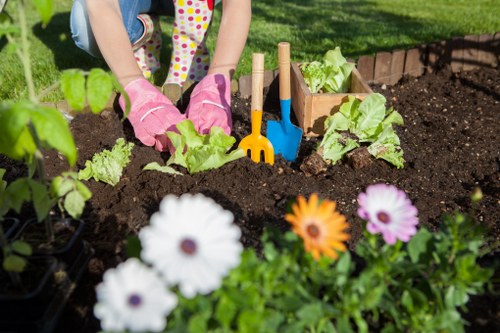 In many cases, the sustainability benefits begin before the first shovel is lifted. Careful planning helps reduce over-ordering, prevents unnecessary removal of healthy materials, and supports smarter reuse on site. For example, existing edging stones may be reinstated, excavated soil can be graded for other parts of the garden, and healthy shrubs may be transplanted rather than discarded. This kind of material awareness is central to Landscaping Feltham and to achieving a genuinely lower-waste service.
We also encourage the recovery of packaging and consumables from landscaping supply deliveries where practical. Cardboard, plastic wrapping, pallets, and metal banding can often be separated for suitable recycling streams, especially when projects involve larger quantities of plants, turf, or bulk materials. By treating these items as resources rather than rubbish, landscaping in Feltham can be more efficient and less wasteful from start to finish.
 Overall, our recycling and sustainability approach is based on practical action, not just good intentions. With a 90% recycling target for appropriate project waste, partnerships that support charitable reuse, local transfer station use, and low-carbon vans on the road, Landscaping Feltham is committed to reducing environmental impact at every stage. From green waste and soil recovery to the careful sorting of hard materials, each project is handled with attention to resource conservation and the needs of the local area.